Analysis
In-depth economic analysis spanning global markets, monetary policy, trade, technology, and development. Our research team provides rigorous, data-driven commentary to help you understand the forces shaping the world economy.
The Strait Gambit: Why Iran's Oil Dependency on China Is Its Greatest Strategic Weakness
2 days ago

Oil at the Brink: How the Iran War Is Reshaping Global Energy Markets
2 days ago
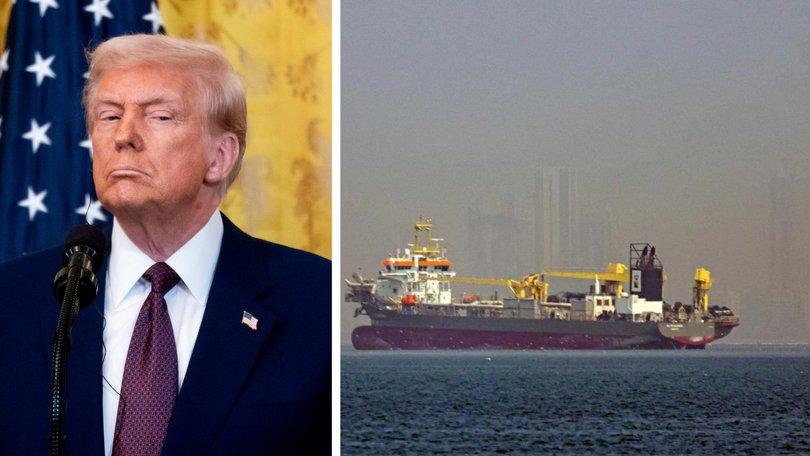
The Strait of Hormuz Gamble: Why Trump's Naval Pledges Can't Calm Rattled Energy Markets
6 days ago
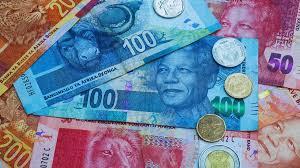
Africa’s Currency Pressures Are Reshaping Trade, Debt Costs, and Growth Strategies
24 February

Inside Korea’s Business Confidence Rebound And What It Signals For Global Manufacturing
24 February

Reading The Signals: What Slower US Business Activity Means For Growth And Policy
24 February
A Guide To This Week’s Key Global Economic Releases
24 February
Global Economics
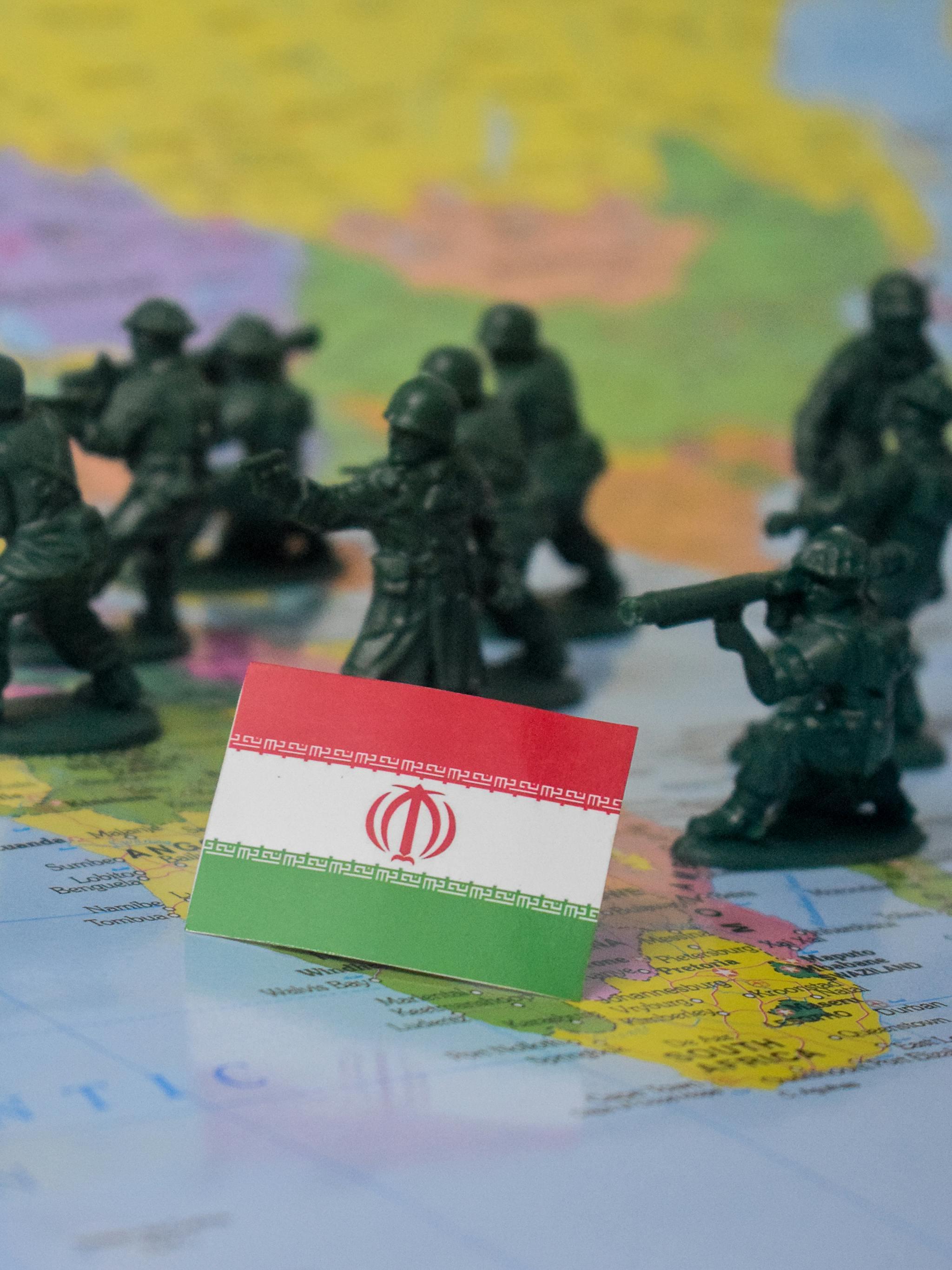
The Iran Escalation and America's Economic Tightrope
Trump's strikes on Iran have introduced a dangerous new variable into an already fragile US economic equation, and Washington has precious little room to absorb the shock.
2 days ago
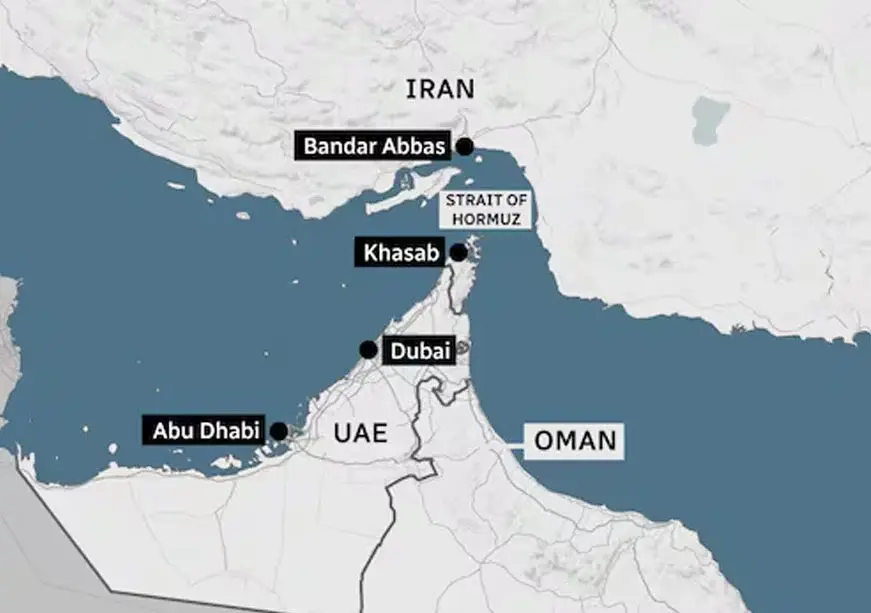
The Strait Gambit: Why Iran's Oil Dependency on China Is Its Greatest Strategic Weakness
As Iran chokes off the Strait of Hormuz to pressure the West, it is simultaneously strangling the very trade lifeline that keeps its own economy alive.
2 days ago
Oil at the Brink: How the Iran War Is Reshaping Global Energy Markets
With crude prices nearing $100 a barrel and the Strait of Hormuz effectively closed to normal traffic, the economic fallout from the US-Israel campaign against Iran is forcing a rapid realignment of global energy supply chains.
2 days ago
Business
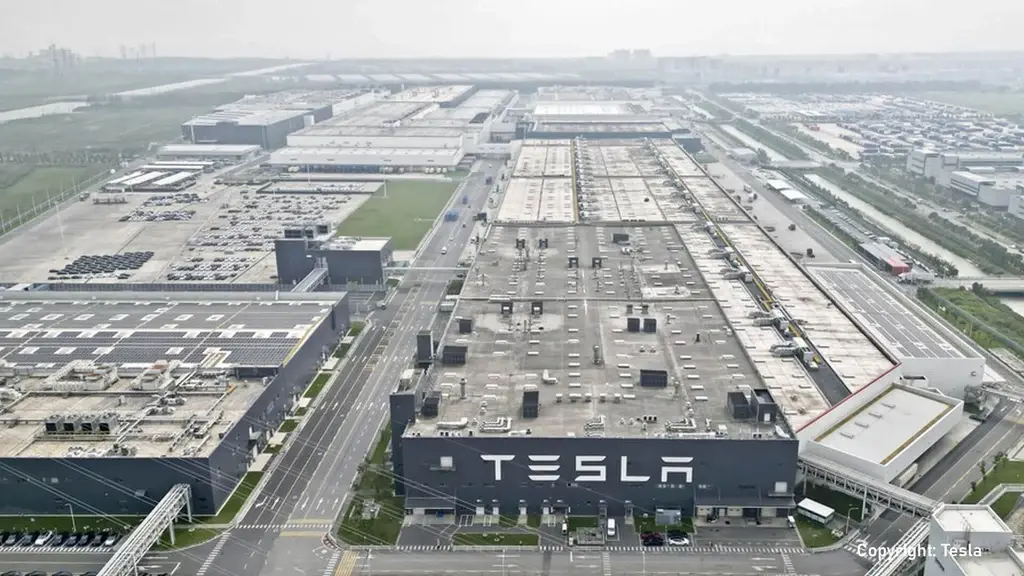
Tesla's Pivot to Autonomy: A High-Stakes Bet on the Next Era of Transportation
2 days ago

Adidas, Stagflation, and the Consumer Confidence Illusion
5 days ago

PhonePe's $10.5 Billion Bet: What India's Fintech IPO Boom Tells Us About the New Geography of Capital
5 days ago
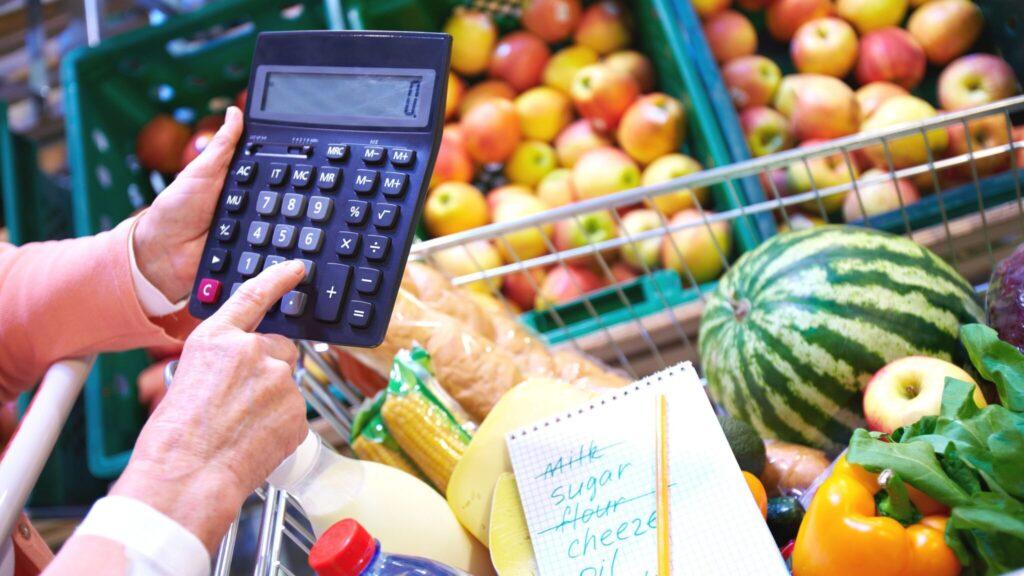
How Rising Food Prices Are Reshaping Household Budgets and Local Business Decisions in Emerging Markets
19 February
Economic Policy

Hidden Markets, Visible Inequality: The Economics of Paying to Skip the Line
From Taylor Swift tickets to Disney FastPasses, a new class of 'hidden markets' is quietly restructuring access to everyday experiences along economic lines, and economists are only beginning to grapple with what that means.
1 days ago
Debt, Deficits And Spillovers: The IMF’s View On US Fiscal Policy
The International Monetary Fund is set to highlight the risks from persistent US budget deficits and rising debt. This article explains why US fiscal choices matter globally and what a credible adjustment path could look like.
2 days ago

Gen Z, AI, and the Experience Gap: Why the Youngest Workers Are Losing the Most
A Dallas Fed warning about AI's uneven impact on the labour market reveals a troubling generational fault line: the workers who stand to benefit most from a tech-driven future are the ones being hurt by it first.
2 days ago
Finance

Through the Strait: How the Iran Conflict Is Turning the Dow Jones Into a Geopolitical Barometer
1 days ago

The FTSE 100's Defensive Armor: Why Britain's Index Is Built for Crises
2 days ago

Bitcoin Near Two Month Lows as Weak Momentum and Rate Fears Drive a Risk Off Shift
20 February

Bonds Are Betting on an AI Productivity Leap, but Can the Rally Last
19 February
Technology

How Artificial Intelligence Could Reshape Productivity, Wages, And Monetary Policy
Artificial intelligence is often hailed as a new general purpose technology that will transform the economy. This article examines how AI can boost productivity, how it may disrupt labor markets, and what it means for inflation and central banking.
24 February

Microsoft’s Fifty Billion Dollar AI Push in the Global South Signals a New Phase of Tech Investment
Microsoft is accelerating its AI expansion across the Global South with a fifty billion dollar investment plan focused on data centers, cloud infrastructure, and regional talent development. This article explores why emerging markets are becoming central to AI strategy, how this shift is reshaping global technology flows, and what challenges could influence the pace of deployment.
19 February
AI Export Controls and the New Tech Cold War
Artificial intelligence has become a strategic asset, and export controls on advanced chips are now instruments of economic statecraft. As the United States tightens restrictions on semiconductor exports to China, global supply chains, capital expenditure cycles, and innovation trajectories are being reshaped. This analysis explores how AI export controls function as a macroeconomic variable rather than a narrow trade tool.
18 February
Development Economics

The Hunger Spiral: Why West Africa's Food Crisis Is Getting Worse and What Economics Tells Us About Fixing It
2 days ago

Stabilization And Cyclones: Sri Lanka’s Recovery Under Climate Pressure
27 February
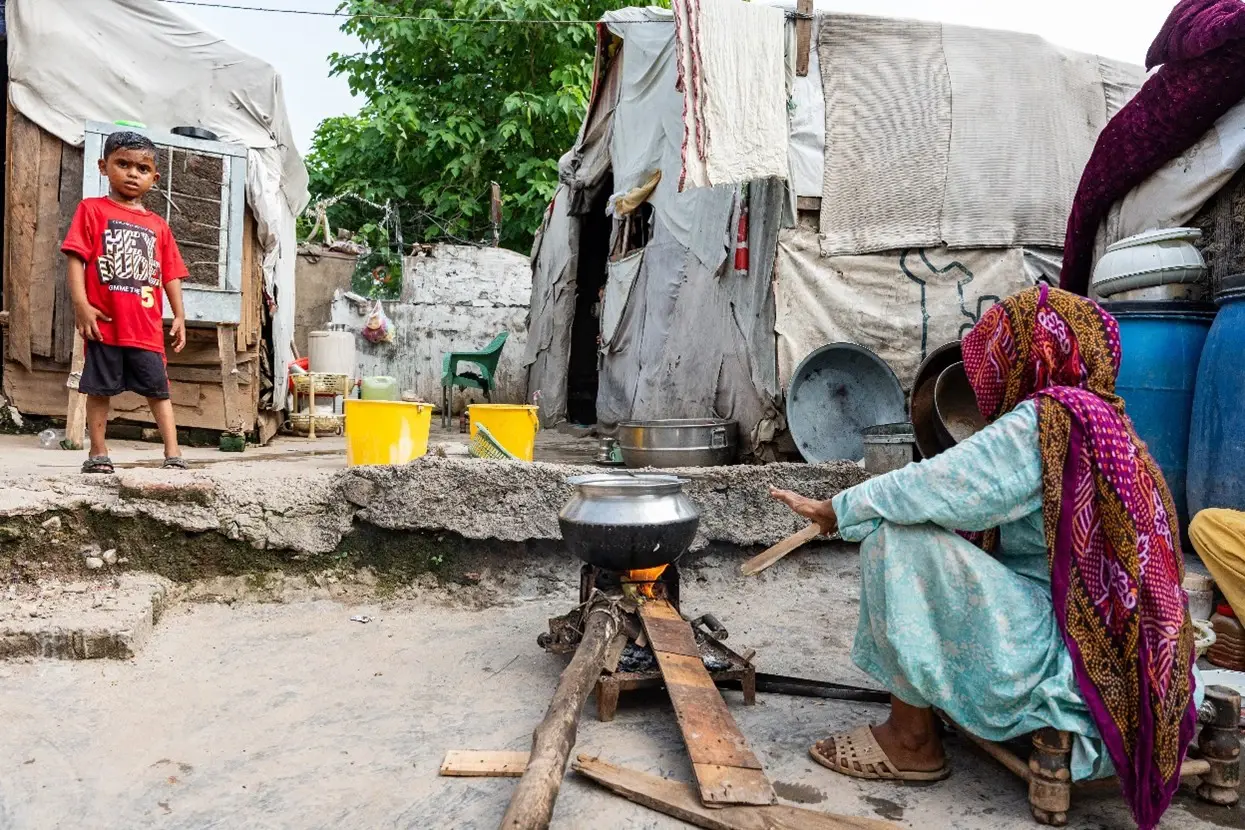
Pakistan’s Rising Poverty: Anatomy Of A Multi Year Economic Squeeze
27 February
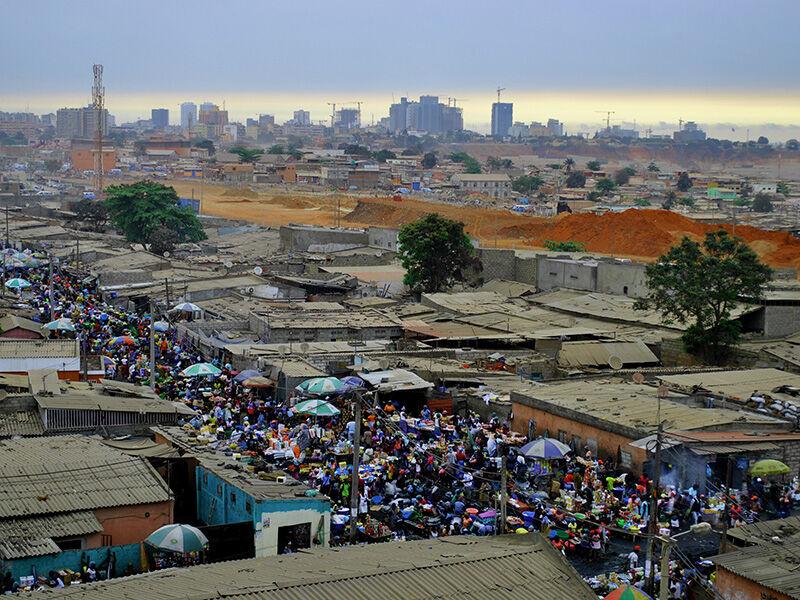
Can Faster Growth In Low Income Countries Break The Poverty Trap
26 February
Economic History
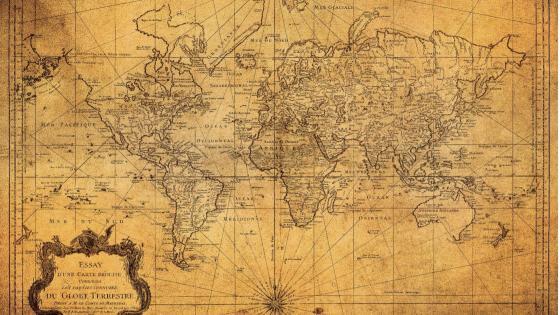
Macro History In The Spotlight: How Long Run Data Shapes Today’s Policy Debates
A new wave of research and seminars is bringing macro history to the center of policy discussions. This article explains why long run data on inflation, wars, debt and trade is becoming essential for understanding today’s choices.
27 February
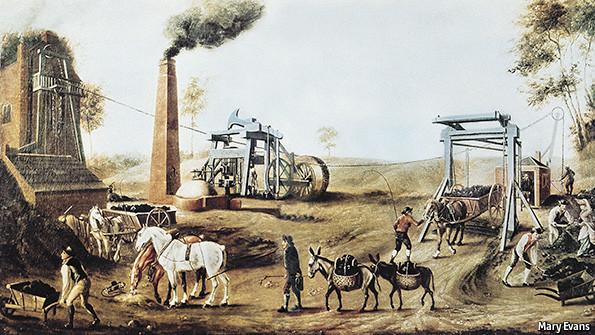
What Past Financial Crises Can Teach Us About The Risks Of 2026
Economic historians are revisiting classic banking and currency crises to understand today’s debt heavy, shock prone global economy. This article connects historical crisis patterns to current vulnerabilities and explains why ignoring those echoes would be a mistake.
27 February
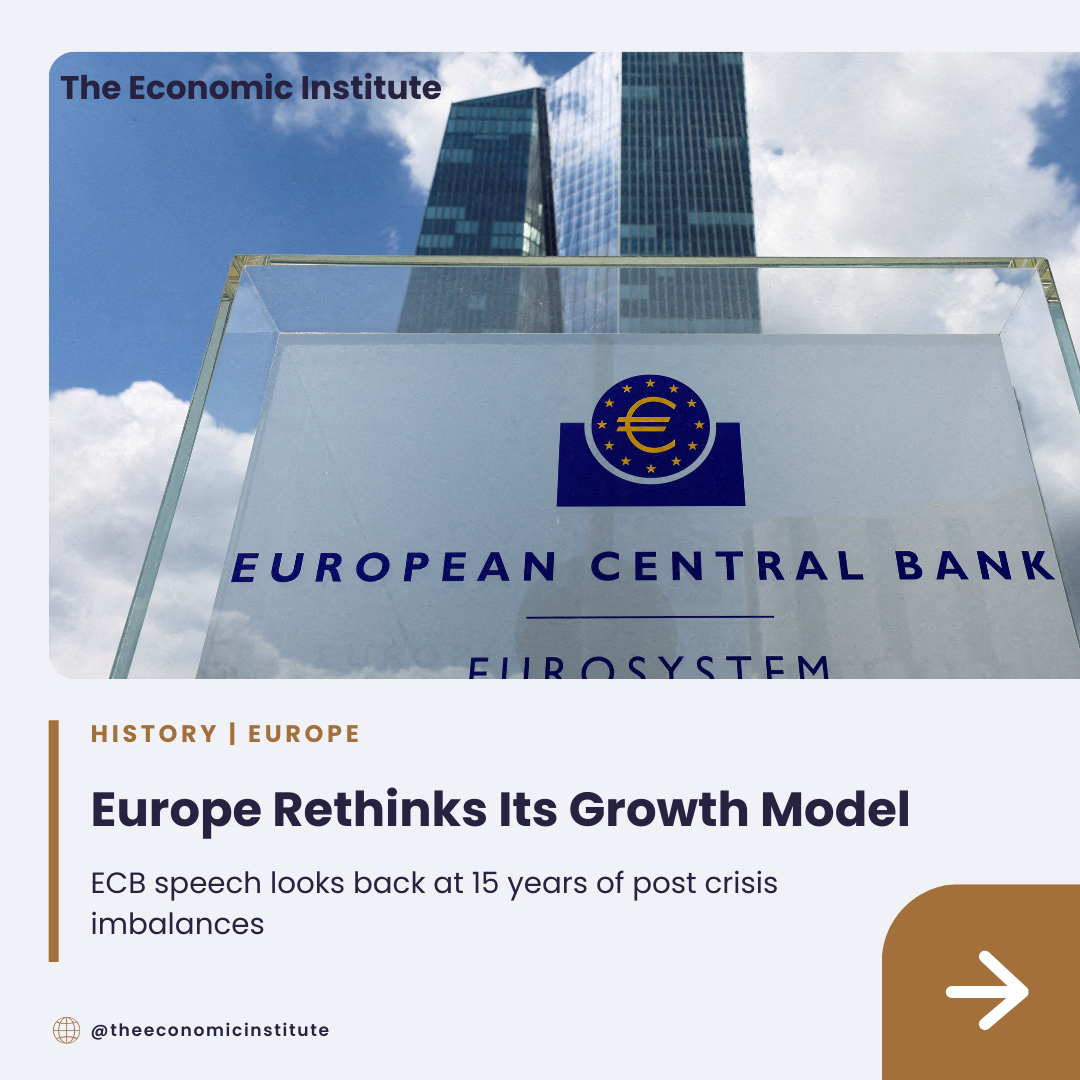
How Europe Is Rethinking Its Export Led Growth Model For A Riskier World
For more than a decade, Europe leaned heavily on external demand and current account surpluses. Now rising geopolitical risk, slower global trade and domestic underinvestment are forcing a rethink of that strategy, with the European Central Bank calling for stronger home grown demand.
26 February