
Stabilization And Cyclones: Sri Lanka’s Recovery Under Climate Pressure
Sri Lanka’s post default program is praised for restoring stability, but a devastating cyclone and deep social strains highlight the limits of narrow success metrics. This article examines the tension between fiscal adjustment, climate shocks and human welfare.
After defaulting on its external debt and experiencing severe shortages in 2022, Sri Lanka became a test case for crisis management in a climate vulnerable middle income country. An ambitious program with the International Monetary Fund, combined with domestic reforms, has helped stabilize the currency, lower inflation and restore basic macroeconomic control. International officials now speak of Sri Lanka as a recovery success story.
On the ground, the picture is more complicated.
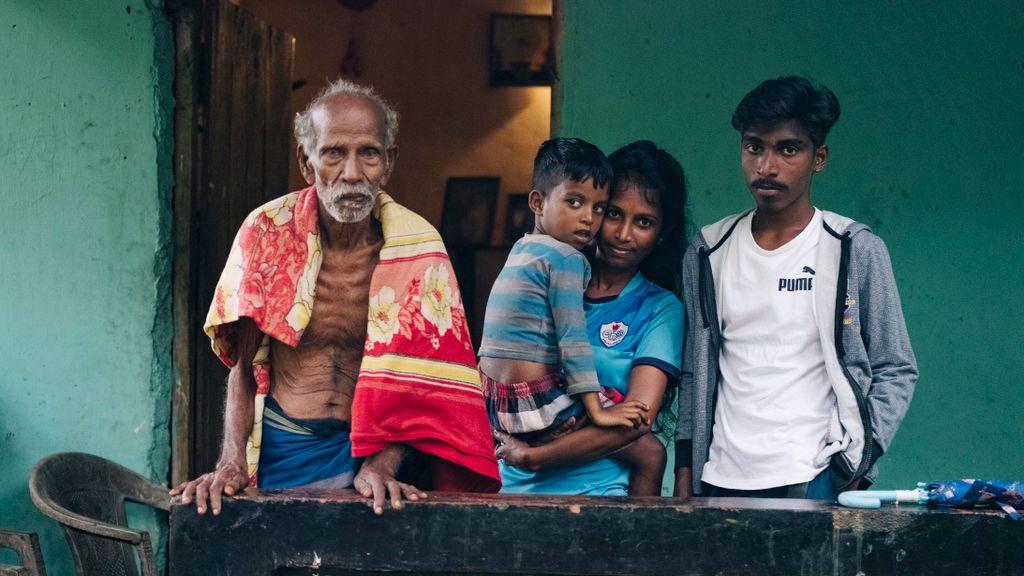
At the end of 2025, a powerful cyclone struck the island, causing widespread damage to homes, infrastructure and livelihoods. Early assessments suggested economic losses on the order of a significant share of annual output, along with hundreds of thousands of people affected. For communities that had not fully recovered from the previous crisis, this new shock was a heavy blow.
The juxtaposition of praise for fiscal and monetary stabilization with the reality of climate damage and social hardship raises difficult questions. What does success mean in a country that is both heavily indebted and highly exposed to extreme weather? How should adjustment programs be designed when climate shocks can wipe out income, infrastructure and tax bases in a matter of days?
To answer these questions, it helps to unpack Sri Lanka’s recent trajectory.
Before the 2022 crisis, the country had accumulated high levels of external debt, including a significant portion in commercial instruments and bilateral loans. Growth had slowed, fiscal deficits were persistent, and foreign exchange reserves had eroded. When the government finally ran out of reserves, it was forced to default, triggering shortages of fuel, medicine and other essentials. Protests and political turmoil followed.
The subsequent program with the IMF aimed to restore macroeconomic stability through a combination of fiscal consolidation, monetary tightening and structural reforms. Exchange rate flexibility was introduced, fuel and electricity prices were adjusted toward cost recovery, and new revenue measures were adopted. Inflation, which had spiked to very high levels, began to fall as monetary policy tightened and foreign exchange pressures eased.
From a narrow macro perspective, progress has been notable. Bond spreads narrowed, reserves increased, and foreign investors have shown renewed interest. Yet for ordinary households, the combination of higher prices for energy and public services, wage pressures that lag behind inflation and reduced public employment opportunities has been painful. Poverty and food insecurity indicators remain elevated compared with pre crisis levels.
The cyclone brought these tensions into sharper focus. Coastal communities, farmers and informal workers were hit hard. Houses and small businesses were damaged or destroyed. Roads, power lines and irrigation systems were affected. Some of the very infrastructure projects that had been prioritized to support recovery suffered setbacks.
Climate vulnerability means that Sri Lanka’s adjustment program is playing out on shifting sands. Fiscal targets that look realistic in a normal year can become extremely challenging if repeated disasters hit. Public investment needs in resilient infrastructure, flood defences and social protection are large, yet space in the budget is limited. The risk is that debt sustainability is pursued in a way that underfunds adaptation and social support, leaving the country more exposed to future shocks.
Development economists argue that a broader definition of success is needed. Instead of focusing primarily on debt ratios, inflation and reserve levels, assessment of programs should incorporate metrics related to poverty, nutrition, education, health and climate resilience. If a program improves macro indicators but leads to sustained deterioration in these dimensions, its long term viability is questionable.
Innovative financing instruments can help, but they are not a panacea. Debt for climate swaps, state contingent instruments that reduce payments after disasters and concessional financing for adaptation projects can create breathing room. However, they require complex negotiations and credible project pipelines. They also do not replace the need for domestic revenue mobilization and well targeted spending.
For Sri Lanka specifically, several policy directions are key.
First, social protection systems need to be strengthened and better targeted. Cash transfers and in kind support for the most vulnerable can cushion the impact of higher prices and climate shocks. Eligibility should be based on transparent criteria and updated regularly, with attention to gender and regional equity.
Second, public investment must increasingly be climate proofed. Roads, bridges, schools and health facilities should be built or rehabilitated to withstand likely future events, not just past averages. This may raise upfront costs but reduces long term repair bills and service disruptions.
Third, fiscal and debt frameworks should incorporate climate risk explicitly. This could involve stress tests that model the impact of repeated disasters on revenue, spending and growth, and contingency plans that allow flexibility when shocks occur without derailing the entire program.
Fourth, local communities should be involved in planning and monitoring recovery and adaptation projects. They have granular knowledge of vulnerabilities and can help ensure that resources are used effectively. Top down designs risk missing critical priorities and undermining trust.
For the international community, Sri Lanka is an important bellwether. Many countries face a similar combination of high debt, climate exposure and limited fiscal space. If programs in such contexts are judged successful despite rising vulnerability and social stress, the concept of success needs revision.
The story of Sri Lanka’s recovery is still being written. The macro stabilization achievements are real and significant, but so are the human and climate related costs. A truly successful path forward will be one that integrates debt sustainability with resilience, growth with inclusion and short term discipline with long term investments in people and protection.
Cite this article
“Stabilization And Cyclones: Sri Lanka’s Recovery Under Climate Pressure.” The Economic Institute, 27 February.
How did this article make you feel?
Comments
No comments yet. Be the first to share your thoughts.
Further Reading
More from Development Economics
The Hunger Spiral: Why West Africa's Food Crisis Is Getting Worse and What Economics Tells Us About Fixing It
Millions face starvation across west and central Africa, and the structural forces driving the crisis go far deeper than drought or conflict alone.
Development EconomicsPakistan’s Rising Poverty: Anatomy Of A Multi Year Economic Squeeze
Pakistan’s official poverty rate has climbed to an estimated 28.8 percent after years of inflation, climate shocks and stop start stabilization. This article unpacks the drivers, regional differences and policy options to prevent a deeper social crisis.
Development EconomicsCan Faster Growth In Low Income Countries Break The Poverty Trap
low-income-countries-growth-prospects
Development EconomicsThailand’s Poverty Success Story And Why Vulnerability Still Shadows The Gains
Thailand has reduced measured poverty in recent years, but a large share of households remain one shock away from slipping back. This article explores the drivers of progress, the structure of vulnerability and the policy choices that could turn fragile gains into lasting resilience.