Pakistan’s Rising Poverty: Anatomy Of A Multi Year Economic Squeeze
Pakistan’s official poverty rate has climbed to an estimated 28.8 percent after years of inflation, climate shocks and stop start stabilization. This article unpacks the drivers, regional differences and policy options to prevent a deeper social crisis.
Poverty trends are among the most powerful indicators of whether an economy is serving its people. In Pakistan, recent data showing that roughly 28.8 percent of the population now lives below the national poverty line signal a serious setback. Behind that number are millions of households struggling to afford food, energy, housing and basic services after a long period of overlapping shocks.
The past six years have been particularly difficult. Macroeconomic instability, recurring balance of payments pressures, episodes of political uncertainty and severe climate events have combined into a punishing environment for low and middle income families. Inflation periods, especially in food and fuel, eroded real wages. Currency depreciation raised the cost of imported essentials. Fiscal tightening under stabilization programs often limited space for social spending.
To understand why poverty has risen, it is useful to break down the main channels through which these shocks hit households.
First, high and volatile inflation reduces the purchasing power of incomes, especially for those whose wages are not indexed or bargaining power is weak. Poor households typically spend a large share of their income on food and energy. When prices for staples like wheat, rice, cooking oil and electricity increase sharply, they have few margins to adjust. They may skip meals, reduce dietary quality, pull children out of school or borrow at high interest rates to cope.
Second, climate shocks have become more frequent and severe. The catastrophic floods of 2022 displaced millions of people, destroyed crops and livestock and damaged homes and infrastructure. Many rural households lost not only their immediate harvest but also productive assets such as seeds, tools and irrigation systems. Recovery has been slow, especially for those who lacked access to insurance or formal credit.
Third, growth has been uneven and insufficient to absorb a growing labor force. Job creation in manufacturing and services has not kept pace with demographic change. Informal employment remains widespread, with limited job security and social protection. Young people, especially women, face high barriers to entering the labor market, including limited access to quality education, transport constraints and social norms.
Fourth, fiscal pressures have constrained the government’s ability to respond aggressively. Stabilization programs with the International Monetary Fund have focused on narrowing deficits and rebuilding reserves. While necessary for macroeconomic sustainability, measures such as subsidy rationalization and tax increases can increase hardship in the short term if not accompanied by well targeted social safety nets.
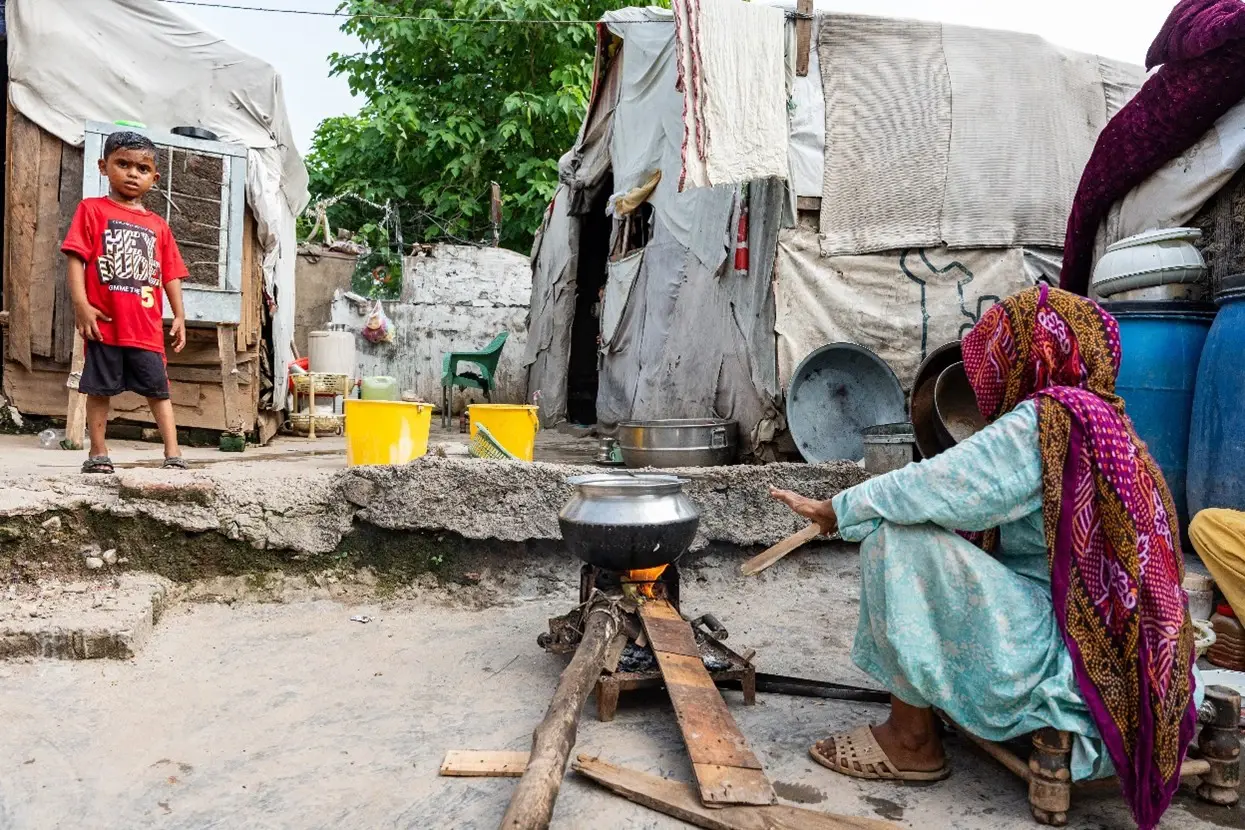
Regional disparities add another layer of complexity. Urban areas tend to have more diversified economies and better access to services, yet urban poverty is rising as well, particularly in informal settlements where service provision is weak. Rural areas, especially in regions heavily dependent on agriculture, bear a disproportionate burden from climate shocks and weak infrastructure.
Gender dimensions are also important. Women often bear the brunt of coping strategies in times of stress. They may increase unpaid care work, reduce their own food intake to feed children, or drop out of the labor force when jobs are scarce. Loss of girls’ schooling during crises can have long term effects on human capital and intergenerational mobility.
What can be done to reverse this trend and prevent a deeper social crisis?
One pillar is strengthening and better targeting social protection. Cash transfer programs that reach the poorest households can provide immediate relief and help stabilize consumption. To be effective, these programs must be scaled adequately, targeted based on updated data and designed to protect against exclusion errors. Digital identification and payment systems can improve delivery, but they require investment and attention to privacy and accessibility.
Another pillar is investing in climate resilience, particularly in agriculture and rural infrastructure. Flood defenses, early warning systems, climate resilient seeds, improved drainage and water management can reduce the economic impact of extreme weather. Insurance schemes, whether public, private or hybrid, can help households and small farmers manage risk, but they must be affordable and trusted.
Macroeconomic stabilization remains essential, but the composition of adjustment matters. Protecting core social spending and high return public investment even when budgets are tight can prevent longer term damage. Progressive tax reforms that broaden the base and reduce reliance on regressive consumption taxes can support revenue without disproportionately burdening the poor.
Structural reforms to improve the business environment, reduce energy sector inefficiencies and expand access to finance can support job creation, especially in small and medium enterprises. Policies that reduce barriers to female labor force participation, such as safe transport, childcare support and fair workplace regulations, can unlock significant growth and poverty reduction potential.
Education and health are critical for long term poverty reduction. Preventing learning losses, improving school quality and ensuring access to primary health services can protect human capital even during economic stress. School feeding programs, for example, can support both nutrition and educational attendance.
International partners can assist with financing, expertise and support for climate adaptation, but domestic political commitment is decisive. Tough choices about energy subsidies, tax policy, governance and public investment priorities cannot be outsourced. Inclusive dialogue with civil society, provincial governments and the private sector can help build support for reforms that protect the vulnerable while restoring macro stability.
The rise in Pakistan’s poverty rate is a serious warning signal, but it is not destiny. With targeted policies, investment in resilience and a focus on inclusive growth, the trend can be reversed. The alternative, allowing vulnerability to deepen and opportunities to narrow, would carry high economic and social costs for years to come.
Cite this article
“Pakistan’s Rising Poverty: Anatomy Of A Multi Year Economic Squeeze.” The Economic Institute, 27 February.
How did this article make you feel?
Comments
No comments yet. Be the first to share your thoughts.
Further Reading
More from Development Economics
The Hunger Spiral: Why West Africa's Food Crisis Is Getting Worse and What Economics Tells Us About Fixing It
Millions face starvation across west and central Africa, and the structural forces driving the crisis go far deeper than drought or conflict alone.
Development EconomicsStabilization And Cyclones: Sri Lanka’s Recovery Under Climate Pressure
Sri Lanka’s post default program is praised for restoring stability, but a devastating cyclone and deep social strains highlight the limits of narrow success metrics. This article examines the tension between fiscal adjustment, climate shocks and human welfare.
Development EconomicsCan Faster Growth In Low Income Countries Break The Poverty Trap
low-income-countries-growth-prospects
Development EconomicsThailand’s Poverty Success Story And Why Vulnerability Still Shadows The Gains
Thailand has reduced measured poverty in recent years, but a large share of households remain one shock away from slipping back. This article explores the drivers of progress, the structure of vulnerability and the policy choices that could turn fragile gains into lasting resilience.