
How Artificial Intelligence Could Reshape Productivity, Wages, And Monetary Policy
Artificial intelligence is often hailed as a new general purpose technology that will transform the economy. This article examines how AI can boost productivity, how it may disrupt labor markets, and what it means for inflation and central banking.

Microsoft’s Fifty Billion Dollar AI Push in the Global South Signals a New Phase of Tech Investment
Microsoft is accelerating its AI expansion across the Global South with a fifty billion dollar investment plan focused on data centers, cloud infrastructure, and regional talent development. This article explores why emerging markets are becoming central to AI strategy, how this shift is reshaping global technology flows, and what challenges could influence the pace of deployment.
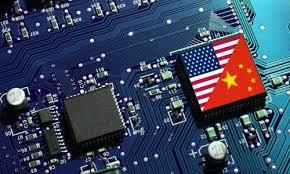
AI Export Controls and the New Tech Cold War
Artificial intelligence has become a strategic asset, and export controls on advanced chips are now instruments of economic statecraft. As the United States tightens restrictions on semiconductor exports to China, global supply chains, capital expenditure cycles, and innovation trajectories are being reshaped. This analysis explores how AI export controls function as a macroeconomic variable rather than a narrow trade tool.

Generative AI Productivity Gains: Early Evidence from Enterprise Adoption
What the first wave of corporate AI deployments reveals about productivity, labour substitution, and ROI.

Platform Economics and the Future of Digital Labour Markets
How algorithmic management and platform intermediation are reshaping work arrangements and wage dynamics.

Semiconductor Supply Chain Resilience and Strategic Autonomy
Evaluating national efforts to onshore chip production and their implications for global technology trade.
How Artificial Intelligence Could Reshape Productivity, Wages, And Monetary Policy
Artificial intelligence is often hailed as a new general purpose technology that will transform the economy. This article examines how AI can boost productivity, how it may disrupt labor markets, and what it means for inflation and central banking.
Microsoft’s Fifty Billion Dollar AI Push in the Global South Signals a New Phase of Tech Investment
Microsoft is accelerating its AI expansion across the Global South with a fifty billion dollar investment plan focused on data centers, cloud infrastructure, and regional talent development. This article explores why emerging markets are becoming central to AI strategy, how this shift is reshaping global technology flows, and what challenges could influence the pace of deployment.
AI Export Controls and the New Tech Cold War
Artificial intelligence has become a strategic asset, and export controls on advanced chips are now instruments of economic statecraft. As the United States tightens restrictions on semiconductor exports to China, global supply chains, capital expenditure cycles, and innovation trajectories are being reshaped. This analysis explores how AI export controls function as a macroeconomic variable rather than a narrow trade tool.
Generative AI Productivity Gains: Early Evidence from Enterprise Adoption
What the first wave of corporate AI deployments reveals about productivity, labour substitution, and ROI.
Platform Economics and the Future of Digital Labour Markets
How algorithmic management and platform intermediation are reshaping work arrangements and wage dynamics.
Semiconductor Supply Chain Resilience and Strategic Autonomy
Evaluating national efforts to onshore chip production and their implications for global technology trade.

Autonomous Vehicle Economics and Urban Transport Transformation
Cost models for self-driving fleets and their potential to reshape urban mobility, land use, and employment.

Cloud Computing Cost Structures and Enterprise Spending Patterns
Analysing the shift from capital to operating expenditure in IT and its macroeconomic measurement challenges.

Cybersecurity Economics: The Rising Cost of Digital Defence
Quantifying the economic burden of cyber threats and the market dynamics of the security industry.

Quantum Computing and Financial Services: Timeline and Impact
Assessing when quantum advantage will materialise in finance and which applications will be first.

Digital Payment Infrastructure and Financial Inclusion Metrics
How mobile money, instant payments, and open banking are expanding access to financial services globally.

Robotics Adoption in Manufacturing and Labour Displacement Effects
Firm-level evidence on the pace of automation and its consequences for employment and wage distribution.