
Malawi’s Reform Challenge And The Promise Of Private Investment
A recent economic assessment highlights Malawi’s need to stabilize its macroeconomy and attract private investment to create jobs. This article explores the country’s challenges, reform priorities, and opportunities in agriculture, energy, and services.
Low income economies often face a difficult paradox. They need investment to grow and reduce poverty, but macroeconomic instability discourages the very investors they hope to attract. Malawi is a clear example of this dilemma. Frequent fiscal slippages, external shocks, and structural bottlenecks have weighed on growth and living standards. At the same time, the country has significant potential in agriculture, energy, and services that could support a more dynamic trajectory.
Macroeconomic stability is the foundation. Persistent fiscal deficits and high public debt can fuel inflation, put pressure on exchange rates, and crowd out private credit. If investors fear sudden currency depreciation or policy reversals, they are less likely to commit capital to long term projects. Households bear the cost through higher prices, limited job opportunities, and vulnerability to shocks.
Stabilization usually requires a combination of fiscal adjustment, revenue mobilization, and clearer prioritization of public spending. In Malawi’s case, that can involve reducing inefficient subsidies, improving tax administration, and focusing public resources on high impact investments in infrastructure, health, and education. International partners can support this process with concessional financing and technical assistance, but domestic ownership is crucial.
The banking and financial sector plays a central role. If government borrowing absorbs most available domestic savings, lending to businesses becomes more expensive and scarce. By restoring fiscal discipline and managing debt prudently, authorities can create space for banks to expand credit to productive private sector activities. Strengthening financial regulation and promoting competition in the sector can further improve access and reduce borrowing costs.
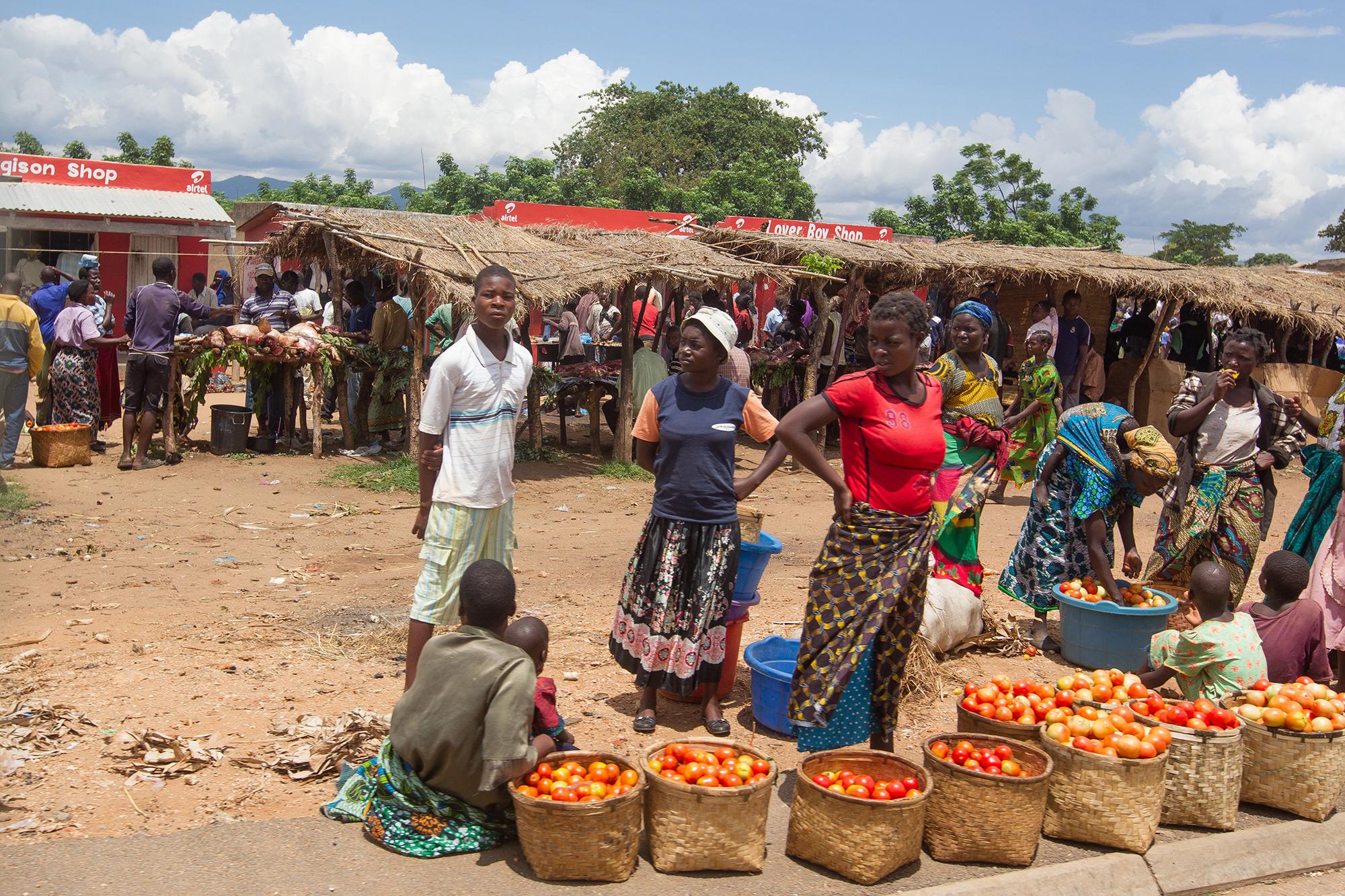
Agriculture remains the backbone of Malawi’s economy in terms of employment and exports. However, productivity is often low, and farmers are vulnerable to climate shocks such as droughts and floods. Investment in irrigation, storage, and climate resilient practices can help stabilize production and incomes. At the same time, improving rural roads and market infrastructure can connect farmers to domestic and regional markets, raising returns.
Diversification beyond primary commodities is another goal. Agro processing, for example, can add value to agricultural output, create urban and rural jobs, and improve export earnings. Developing this sector requires reliable energy, supportive regulation, and skills development. Private investors are more likely to commit capital if they see a stable policy environment and credible efforts to reduce infrastructure gaps.
Energy is both a constraint and an opportunity. Limited and unreliable electricity supply raises costs for businesses and constrains growth. At the same time, Malawi has potential in renewable energy sources such as hydro and solar. Well designed public private partnerships, supported by clear regulation and fair risk sharing, can unlock investment in generation and transmission projects. Reliable energy is a prerequisite for modern manufacturing, services, and digital sectors.
Human capital is another critical dimension. A young and growing population can be an asset if people have access to quality education, health care, and job opportunities. Reforms aimed at improving basic education, vocational training, and health outcomes contribute not only to social goals but also to productivity and investment attractiveness. Investors look for locations where they can hire and train skilled workers.
Governance and institutions matter deeply. Transparency in public finances, predictability in regulation, and strong rule of law reduce the perceived risk of doing business. Digitalization of government services, including licensing and tax administration, can reduce red tape and corruption opportunities. Clear and consistent communication about policy plans builds confidence among both domestic and foreign investors.
Regional integration offers additional possibilities. Malawi is part of a broader African market that is becoming more integrated through initiatives such as the African Continental Free Trade Area. By aligning domestic regulations with regional standards, improving cross border infrastructure, and simplifying customs procedures, the country can tap into larger markets for its goods and services.
The social dimension cannot be ignored. Reforms often involve short term costs, such as changes in subsidies or public employment. Designing targeted social protection programs to support vulnerable groups during the transition is important for maintaining social cohesion and political support. Engaging civil society and the private sector in dialogue can also improve the quality and legitimacy of reform choices.
Ultimately, Malawi’s path from stabilization to growth is about credibility. If policy makers can demonstrate consistent progress toward macroeconomic stability, structural reforms, and improved governance, investors are more likely to respond. The payoff is not only higher GDP, but also more jobs, better services, and greater resilience to external shocks.
Cite this article
“Malawi’s Reform Challenge And The Promise Of Private Investment.” The Economic Institute, 24 February.
How did this article make you feel?
Comments
No comments yet. Be the first to share your thoughts.
Further Reading
More from Development Economics
The Hunger Spiral: Why West Africa's Food Crisis Is Getting Worse and What Economics Tells Us About Fixing It
Millions face starvation across west and central Africa, and the structural forces driving the crisis go far deeper than drought or conflict alone.
Development EconomicsStabilization And Cyclones: Sri Lanka’s Recovery Under Climate Pressure
Sri Lanka’s post default program is praised for restoring stability, but a devastating cyclone and deep social strains highlight the limits of narrow success metrics. This article examines the tension between fiscal adjustment, climate shocks and human welfare.
Development EconomicsPakistan’s Rising Poverty: Anatomy Of A Multi Year Economic Squeeze
Pakistan’s official poverty rate has climbed to an estimated 28.8 percent after years of inflation, climate shocks and stop start stabilization. This article unpacks the drivers, regional differences and policy options to prevent a deeper social crisis.
Development EconomicsCan Faster Growth In Low Income Countries Break The Poverty Trap
low-income-countries-growth-prospects