US Iran De escalation Talks and What They Mean for Oil, Inflation, and Global Markets
Diplomatic progress between the United States and Iran has eased geopolitical tensions and redirected global market sentiment. This article examines how a more stable Middle East outlook affects crude prices, inflation expectations, shipping security, and financial risk premiums across major economies.
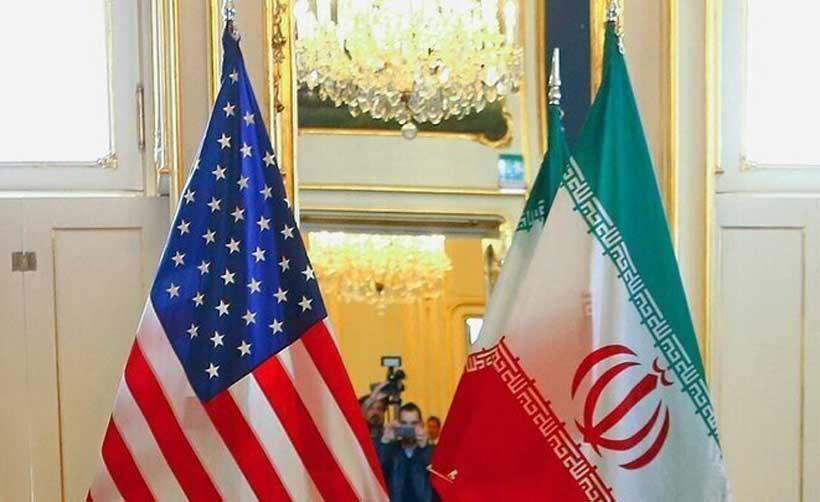
Diplomatic progress between the United States and Iran has added a notable shift to the geopolitical landscape. Although the negotiations remain delicate and far from a full breakthrough, even modest signs of de escalation have influenced global markets. In a world still adjusting to inflation after years of volatility, reduced geopolitical risk carries immediate economic consequences.
The oil market was the first to respond. Prices slipped as traders recalibrated the probability of future supply disruptions in the Middle East. The possibility of increased Iranian exports, even if limited, alters global supply expectations. When the threat of shipping interruptions declines, risk premiums embedded in crude prices fall. This does not guarantee a downward trend in oil over the long term, but it softens the volatility that had previously been driven by military tensions and sanctions uncertainty.
Lower or more stable oil prices feed directly into inflation expectations. Energy costs remain one of the most sensitive components of consumer price indices, affecting transportation, manufacturing, and household expenses. Central banks monitor these changes closely. If geopolitical tensions remain subdued, policymakers in energy importing economies may gain more confidence that inflation is stabilizing. This could influence the timing of interest rate adjustments in the coming year.
Shipping security is another critical dimension. The Strait of Hormuz remains one of the most important chokepoints in the global energy system. Earlier tensions had increased insurance premiums, rerouting costs, and voyage times for commercial shipping. Even a partial de escalation reduces operational uncertainty, allowing shipping firms to restore more efficient routes. This improves global supply chain predictability at a time when logistics networks are still adjusting to the disruptions of recent years.
Financial markets tend to react to geopolitical relief with greater risk appetite. Bond yields often stabilize as inflation fears ease. Equity markets respond through sector rotation, with energy stocks cooling and trade sensitive sectors gaining. Currencies tied to energy exports may soften slightly, while import driven economies may see improved sentiment. These movements reflect a broad reduction in geopolitical risk premiums.
However, the situation is far from resolved. Structural disagreements between the United States and Iran remain significant, including nuclear program constraints, regional alliances, and broader security architecture. The negotiations may stall or reverse, and markets understand that progress is fragile. This explains why price movements have been moderate rather than dramatic. Investors factor in both the immediate relief and the possibility of renewed tension.
Another layer of complexity involves shifts in regional power balances. De escalation affects not only energy markets but also diplomatic relationships across the Middle East. Countries that had positioned themselves around previous tensions may reassess alliances, security commitments, and economic strategies. These changes can influence trade flows, investment patterns, and strategic cooperation across the region.
The global economic impact also depends on how central banks interpret geopolitical stability. In recent years, energy price spikes contributed to higher interest rates across major economies. If energy cost volatility decreases, central banks may adopt more flexible policy paths. This would influence borrowing costs, corporate investment decisions, and household spending patterns.
For businesses, reduced geopolitical tension lowers planning uncertainty. Firms in transportation, manufacturing, petrochemicals, and heavy industry are particularly sensitive to oil price swings. The ability to forecast energy costs more accurately supports better capital planning and pricing strategies. It also stabilizes margins in sectors where fuel expenses represent a significant share of operating costs.
For emerging markets, the alignment is mixed. Energy importers benefit from lower risk premiums, while energy exporters may face reduced revenue expectations. The net effect depends on each country’s external balances, fiscal structure, and vulnerability to oil price changes. Yet overall global stability tends to support investment flows into emerging markets by reducing geopolitical uncertainty.
Ultimately the significance of the US Iran de escalation talks extends beyond diplomacy. It influences inflation, interest rate expectations, supply chain efficiency, and financial stability. Markets do not require a final agreement to react. They respond to probabilities, and the probability of a crisis has declined for now. Whether this shift endures will depend on the staying power of diplomatic engagement in one of the most strategic regions of the world.
Cite this article
“US Iran De escalation Talks and What They Mean for Oil, Inflation, and Global Markets.” The Economic Institute, 19 February.
How did this article make you feel?
Comments
No comments yet. Be the first to share your thoughts.
Further Reading
More from Global Economics
The Iran Escalation and America's Economic Tightrope
Trump's strikes on Iran have introduced a dangerous new variable into an already fragile US economic equation, and Washington has precious little room to absorb the shock.
Global EconomicsThe Strait Gambit: Why Iran's Oil Dependency on China Is Its Greatest Strategic Weakness
As Iran chokes off the Strait of Hormuz to pressure the West, it is simultaneously strangling the very trade lifeline that keeps its own economy alive.
Global EconomicsOil at the Brink: How the Iran War Is Reshaping Global Energy Markets
With crude prices nearing $100 a barrel and the Strait of Hormuz effectively closed to normal traffic, the economic fallout from the US-Israel campaign against Iran is forcing a rapid realignment of global energy supply chains.
Global EconomicsThe Strait of Hormuz Gamble: Why Trump's Naval Pledges Can't Calm Rattled Energy Markets
Washington's promise of naval escorts and insurance guarantees for Gulf shipping offers symbolic reassurance, but the economics of energy disruption are already doing their damage.