
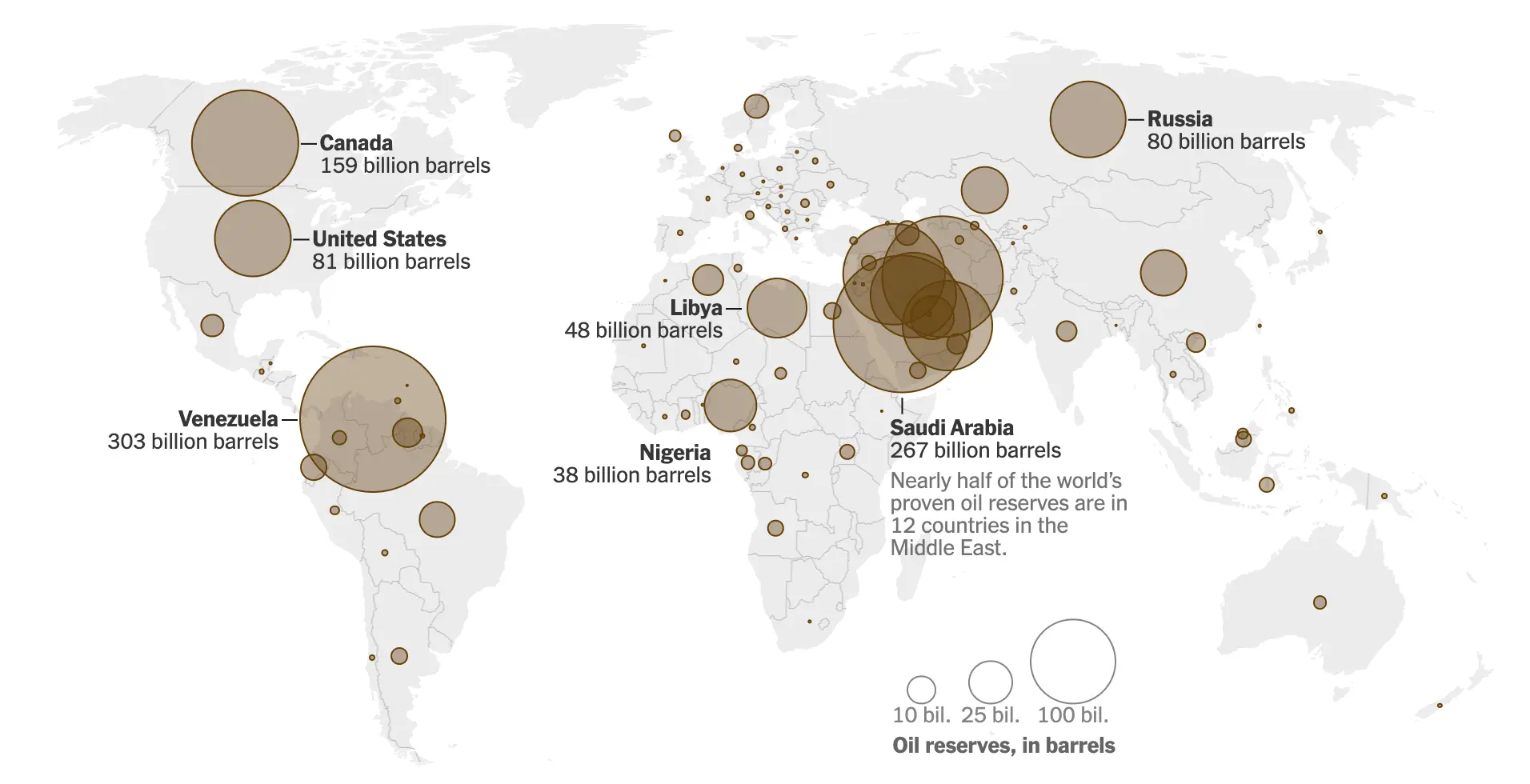
Asia’s Record Crude Imports Are Rewriting the Global Oil Map
Asia is now importing crude oil at record levels, reshaping global trade routes, shifting strategic alliances, and altering the balance of power among major producers. This article examines how rising demand in the region is transforming supply chains, why geopolitical realignment among exporters matters, and what this means for future energy security.
Asia has long been the gravitational center of global oil demand, but the latest surge in crude imports marks a structural shift rather than a cyclical blip. Record purchases across the region are not only increasing Asia’s influence over global energy markets, they are redrawing the oil map itself. The growth is driven by a combination of refining expansions, strategic stockpiling, price arbitrage opportunities, and evolving geopolitical relationships that are reshaping trade flows at a speed that few anticipated.
At the heart of this realignment is diversification. Asian refiners, especially in the largest consumption hubs, are increasingly sourcing barrels from a broader mix of suppliers. Traditional reliance on the Middle East has softened, even as ties remain strong. New streams of crude from alternative exporters have gained prominence, partly due to shifting geopolitical conditions. Supply once destined for Western markets is now redirected eastward as sanctions, price caps, and political frictions change the economics of global energy flows.
This shift is changing the competitive landscape among major producers. Countries that previously competed for market share in Europe or the United States are now focusing their strategies on Asia’s expanding demand base. The terms of trade have evolved accordingly. Discount dynamics, long-term supply agreements, flexible contract structures, and transportation costs all play into the new equilibrium. The result is a more dynamic and fluid global oil system, where pricing power increasingly gravitates toward refiners and buyers in Asia.
Refining capacity plays a major role in this transformation. Asia has added significant new processing capability over the past decade, with complex refineries capable of handling a wide range of crude grades. This flexibility allows refiners to source from opportunistic sellers, maximizing margins by shifting among suppliers depending on global price spreads. When sanctions or geopolitical tensions push certain producers to seek alternative buyers, Asia becomes the natural outlet. This interdependence gives Asian refiners both pricing leverage and strategic optionality.
The logistical architecture is also evolving. Shipping routes that once primarily served westbound flows now operate with a stronger eastbound bias. Tanker traffic through key maritime corridors has intensified. Freight rate volatility reflects the sensitivity of these routes to geopolitical events, especially disruptions involving chokepoints that link supply regions with Asian markets. Insurance costs, voyage times, and routing patterns all contribute to a new cost structure that influences which barrels arrive in which ports.
Energy security considerations further explain the surge in imports. Several Asian economies are expanding their strategic petroleum reserves, taking advantage of favorable pricing windows to build buffers against future disruptions. As global volatility in shipping, sanctions regimes, and geopolitical tensions persists, the incentive to stockpile increases. These reserves soften the blow of short-term supply disruptions but also strengthen Asia’s bargaining position in long-term supply negotiations.
The macroeconomic impacts are far-reaching. Increased oil imports feed into industrial production, petrochemical output, and broader economic momentum across the region. But they also heighten exposure to global price swings. When Asia is the primary marginal buyer, global price cycles become more tightly linked to regional economic performance. This interdependence means that fluctuations in Asian demand, driven by manufacturing cycles, consumer sentiment, or policy shifts, can have outsized effects on global oil stability.
Producers must also adapt. As demand growth concentrates in Asia, long-term planning increasingly revolves around understanding the region’s consumption patterns, regulatory direction, and energy transition trajectory. Suppliers adjust their production strategies, pricing structures, and geopolitical alignments accordingly. Some have strengthened partnerships with Asian state-owned oil companies, while others pursue greater flexibility in their export portfolios to remain competitive in this buyer-driven market.
The energy transition adds another layer of complexity. Asia’s rising crude imports occur alongside rapid investments in renewables, electrification, and energy efficiency. The coexistence of fossil fuel growth and decarbonization efforts creates a paradox: even as long-term commitments point toward reduced carbon intensity, near-term industrial expansion continues to rely heavily on oil. This duality will define the next decade of Asia’s energy strategy, shaping everything from refinery upgrades to infrastructure financing.
Ultimately, Asia’s record crude imports signal more than just strong demand. They reflect a structural reorientation of global oil dynamics. Trade routes, supplier relationships, refining economics, and geopolitical alliances are all shifting around the gravitational pull of Asian consumption. The region is not merely participating in the oil market, it is exerting decisive influence over its direction, pricing structure, and risk distribution. As the world navigates a turbulent geopolitical environment, Asia’s growing centrality in oil markets ensures that its choices will increasingly define the global energy landscape.
Cite this article
“Asia’s Record Crude Imports Are Rewriting the Global Oil Map.” The Economic Institute, 19 February.
How did this article make you feel?
Comments
No comments yet. Be the first to share your thoughts.
Further Reading
More from Global Economics
The Iran Escalation and America's Economic Tightrope
Trump's strikes on Iran have introduced a dangerous new variable into an already fragile US economic equation, and Washington has precious little room to absorb the shock.
Global EconomicsThe Strait Gambit: Why Iran's Oil Dependency on China Is Its Greatest Strategic Weakness
As Iran chokes off the Strait of Hormuz to pressure the West, it is simultaneously strangling the very trade lifeline that keeps its own economy alive.
Global EconomicsOil at the Brink: How the Iran War Is Reshaping Global Energy Markets
With crude prices nearing $100 a barrel and the Strait of Hormuz effectively closed to normal traffic, the economic fallout from the US-Israel campaign against Iran is forcing a rapid realignment of global energy supply chains.
Global EconomicsThe Strait of Hormuz Gamble: Why Trump's Naval Pledges Can't Calm Rattled Energy Markets
Washington's promise of naval escorts and insurance guarantees for Gulf shipping offers symbolic reassurance, but the economics of energy disruption are already doing their damage.