How Rising Food Prices Are Reshaping Household Budgets and Local Business Decisions in Emerging Markets
Weaker currencies and supply chain pressures in several emerging economies have pushed food costs higher in February 2026. This article examines how rising food prices influence household consumption, small business pricing strategies, labour decisions, and overall microeconomic behaviour.
Food price movements carry significant weight in emerging markets because households allocate a large share of income to essentials. When the cost of staples rises, the microeconomic effects ripple through both consumer behaviour and business decisions. In mid February 2026, several economies in Africa, South Asia, and Latin America reported renewed pressure on food prices due to currency depreciation, import dependency, and disrupted regional supply flows. These factors may seem macro in nature, but their consequences unfold at the level of grocery baskets, market stalls, and family budgets.
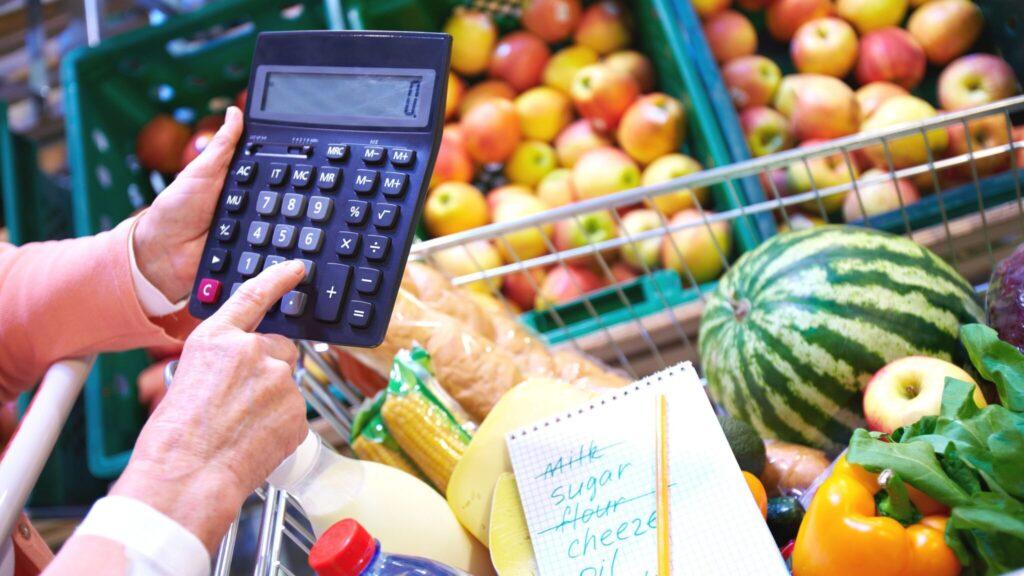
For households, the first response to rising food costs is a shift in consumption patterns. Families adjust by substituting branded goods for unbranded alternatives, reducing purchases of processed foods, or cutting back on protein rich items that carry higher price volatility. This substitution behaviour is a core theme in microeconomics, reflecting the interplay between preferences, budget constraints, and relative prices. Lower income households are the most affected because they have limited flexibility in reallocating expenditures. Essentials dominate their budgets, leaving little room to absorb price increases without sacrificing nutrition or reducing spending on health and education.
The second household adjustment is a change in purchasing frequency. Faced with rising prices, consumers often shift toward smaller, more frequent purchases. This helps manage cash flow but increases unit costs because bulk discounts disappear. This micro decision reflects liquidity constraints rather than preference shifts. When wages do not rise quickly enough to match food inflation, households lose purchasing power in real terms. That loss feeds into broader economic sentiment, reducing confidence and delaying discretionary spending.
For small businesses, the challenge lies in balancing rising input costs with customer sensitivity to higher prices. Street vendors, small grocers, and local restaurants operate on thin margins. When the cost of staples such as rice, cooking oil, and vegetables rises, they face difficult decisions. Some pass costs directly to customers. Others shrink portion sizes to keep prices stable. A few absorb the increase temporarily and accept lower margins. Each choice has consequences for demand, loyalty, and competitive positioning.
This pricing behaviour illustrates classic microeconomic dynamics. Businesses with strong local reputation or differentiated products retain more pricing power. Those competing on price alone risk losing customers if they adjust too quickly. Elasticity of demand becomes the guiding factor. Items with low elasticity, such as basic cooking ingredients, can accommodate higher prices without major demand loss. Products that are more discretionary, even within food categories, cannot.
Labour decisions within small businesses also change. Rising input costs reduce available funds for wages. Some businesses delay hiring. Others reduce employee hours. In microeconomic terms, this reflects the profit maximisation problem under new cost conditions. With higher variable input costs, labour becomes relatively more expensive unless productivity rises. These decisions affect local employment and income, reinforcing the household side of the story.
Currency movements contribute significantly to these pressures. Countries that rely heavily on imported food face rapid price pass through when exchange rates weaken. Importers cannot delay cost adjustments because perishable goods carry time sensitive storage requirements. Retailers must respond quickly because small fluctuations accumulate across supply chains. This shows how macro shocks translate directly into micro level decisions.
Supply chain disruptions add further strain. Weather conditions, transportation bottlenecks, and higher fuel prices all feed into wholesale food costs. When wholesalers face uncertainty, they build risk premiums into pricing. Retailers then adjust their own prices, creating a cascade that consumers feel at the end of the chain. These layers of microeconomic behaviour reveal how decentralized market decisions amplify the effect of seemingly modest shocks.
Government intervention can influence these dynamics but only to an extent. Temporary tariff reductions, targeted subsidies, or food distribution programs can provide relief. However, such measures may distort incentives or strain public finances if prolonged. Price controls rarely succeed, as they create shortages and encourage informal market activity. The microeconomics of intervention requires careful calibration to avoid unintended consequences.
Despite the challenges, rising food prices sometimes accelerate local innovation. Farmers may diversify crops to meet new demand. Small shops may switch suppliers or source locally produced substitutes. Consumers may adopt new consumption habits that persist even after prices stabilize. These adaptations illustrate how microeconomic agents respond pragmatically to constraints.
Ultimately, the story of rising food prices is a story of microeconomic adjustment. Households shift consumption. Businesses recalibrate pricing. Labour decisions adjust. Supply chains reconfigure. Each decision is small on its own, but together they shape the broader economic landscape. In emerging markets where food represents a large share of household spending, these micro level reactions determine the resilience of communities and the stability of local economies.
As February 2026 unfolds, tracking these microeconomic signals provides insight that complements macro indicators. Inflation data and exchange rates tell one part of the story. Household choices and business responses tell the rest.
Cite this article
“How Rising Food Prices Are Reshaping Household Budgets and Local Business Decisions in Emerging Markets.” The Economic Institute, 19 February 2026.